Polywrapping Solutions in Ireland: Everything You Need to Know About Biodegradable Packaging
As businesses become more conscious of their environmental responsibilities, packaging choices are receiving greater attention. From publishers distributing magazines to organisations sending brochures, catalogues and promotional materials, there is a growing need for packaging that combines protection, efficiency and sustainability. This is where polywrapping solutions in Ireland can play an important role, particularly when biodegradable materials are used as an alternative to conventional plastic packaging. By exploring biodegradable packaging options, businesses can make more informed decisions about how they prepare printed materials for distribution. Understanding the materials, benefits, limitations and disposal requirements involved can help organisations select suitable packaging solutions while supporting their wider environmental objectives.
What Is Biodegradable Polywrapping?
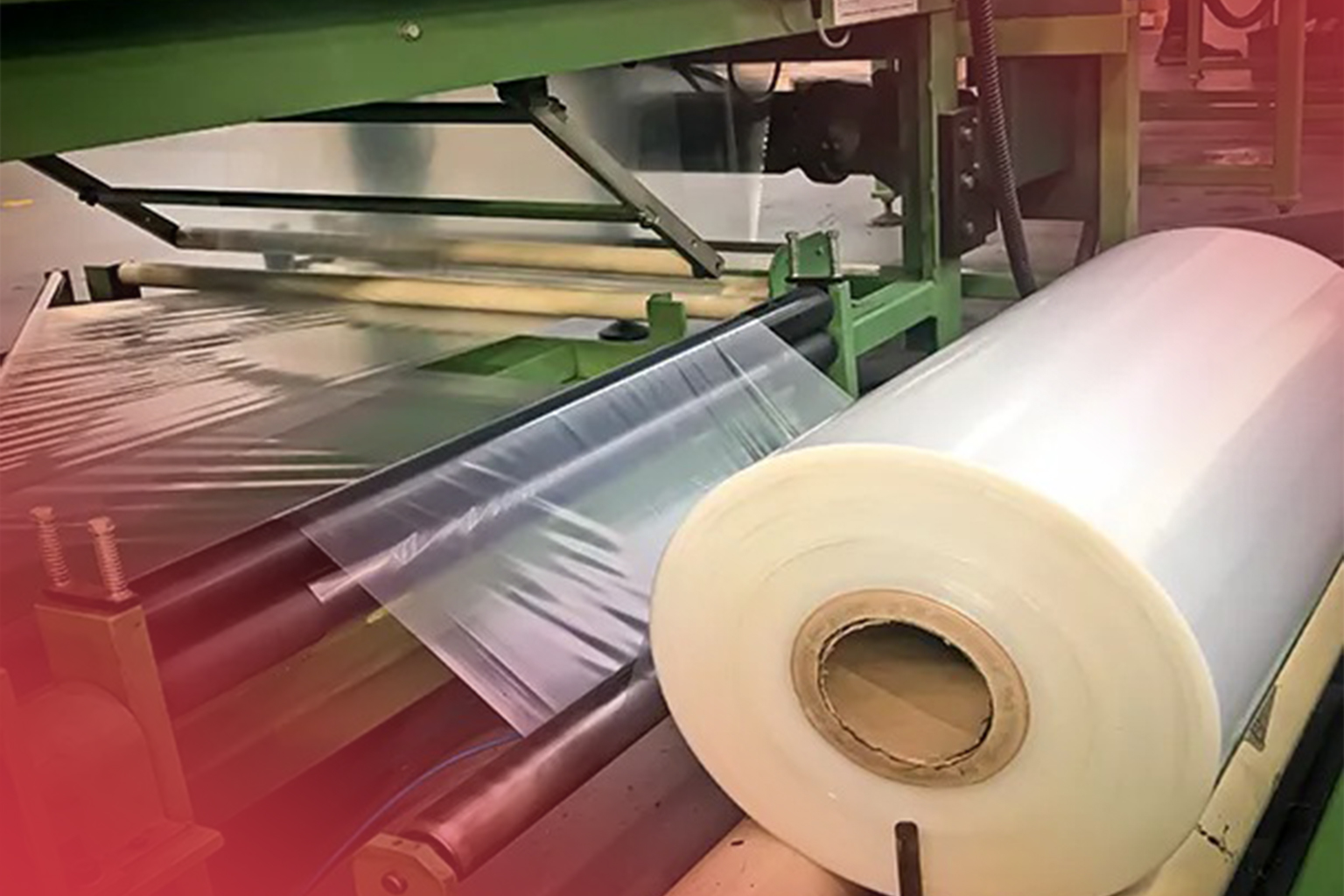
Polywrapping is a packaging process in which printed materials or other products are enclosed in a thin, protective film. It is commonly used for magazines, brochures, newsletters, catalogues and direct mail campaigns. The wrapping helps keep materials together, protects them during handling and makes them easier to prepare for dispatch.
Traditional polywrap is generally made from plastic materials that can persist in the environment if they are not properly managed. Biodegradable polywrapping, by comparison, uses materials designed to break down through the activity of microorganisms under suitable conditions.
Some biodegradable films are manufactured using renewable feedstocks, including plant-based starches derived from crops such as potatoes and maize. However, not every biodegradable material is made from renewable resources, and not every plant-based film is necessarily compostable in all environments.
For businesses considering polywrapping solutions in Ireland, understanding these distinctions is essential. The terms biodegradable, compostable and bio-based describe different properties, so packaging should be selected according to its verified specifications and intended disposal route.
How Does Biodegradable Packaging Work?
Biodegradable packaging is designed to undergo biological decomposition under appropriate environmental conditions. During this process, microorganisms break down the material into simpler substances. The speed and completeness of decomposition depend on the packaging formulation and factors such as temperature, moisture, oxygen availability and microbial activity.
Compostable packaging is a more specific category. It must meet defined requirements for breaking down under particular composting conditions without leaving unacceptable levels of harmful residues. Some products are intended for industrial composting facilities, while others may be suitable for home composting.
This distinction matters because biodegradable packaging does not automatically break down quickly when discarded in general waste, buried in soil or exposed to the sea. Even materials marketed as compostable may require controlled conditions that are unavailable in ordinary surroundings.
Before adopting a new wrapping material, businesses should review the manufacturer’s technical information, recognised certifications and recommended disposal instructions. Clear labelling and practical waste-management guidance can help ensure that the environmental benefits of the material are not undermined by inappropriate disposal.
Key Benefits of Biodegradable Polywrapping
1. A More Sustainable Packaging Option
One of the principal advantages of biodegradable wrapping is the potential to reduce reliance on conventional plastics. Depending on the material and its end-of-life treatment, it may offer a more suitable alternative for businesses seeking to improve their packaging practices.
Eco-friendly polywrapping solutions can be particularly relevant to organisations that distribute large quantities of printed materials and want to consider packaging alongside paper sourcing, printing methods and delivery operations when reviewing their environmental impact.
Nevertheless, the sustainability of a packaging material should be assessed across its life cycle. Raw material production, manufacturing, transport, protective performance and disposal all contribute to its overall environmental footprint.
2. Protection During Handling and Distribution
Packaging must do more than meet environmental objectives. It must also protect its contents throughout handling, storage and transportation.
Biodegradable polywrap can help keep printed materials clean, organised and together during distribution. This is useful when sending magazines, catalogues, promotional inserts or several related documents in one package.
The suitability of a particular film depends on its strength, thickness, resistance to moisture and ability to withstand the intended distribution process. Businesses should test samples before committing to large production runs, particularly when packaging heavier items or materials that require additional protection.
3. Efficient High-Volume Processing
Large-scale mailing operations often require packaging systems that can handle substantial quantities within demanding schedules. Automated wrapping equipment can help improve consistency, reduce repetitive manual handling and support faster preparation for dispatch.
Depending on the equipment and configuration, collation systems can gather several printed items and enclose them within a single wrapper. This can simplify the preparation of publication packs, promotional campaigns and subscription mailings.
When evaluating polywrapping solutions in Ireland, businesses should consider whether the wrapping material is compatible with their machinery, operating speeds and product specifications. A sustainable material must perform reliably within the production process to be a practical alternative.
4. Support for Environmental Objectives
Packaging decisions can contribute to a broader sustainability strategy. Organisations may be working to reduce virgin plastic consumption, improve resource efficiency or respond to customer expectations regarding environmental responsibility.
Switching to an appropriate biodegradable or compostable wrapping material may support these aims, provided that the material is independently verified and suitable waste-management arrangements are available.
It is also important to communicate environmental benefits accurately. Claims about biodegradability, compostability and decomposition times should be supported by reliable evidence rather than general assumptions.
What Should Businesses Consider Before Choosing Biodegradable Polywrap?
Selecting packaging involves balancing environmental performance with practical requirements. Businesses should consider several important factors when selecting the right packaging solution.
Material certification: Check whether the film has relevant independent certification for its stated biodegradable or compostable properties. Confirm precisely which conditions the certification covers.
Product protection: Assess whether the film provides adequate strength, clarity and moisture resistance for the items being distributed. Packaging should safeguard its contents while minimising unnecessary material use and waste.
Equipment compatibility: Confirm that the material can run efficiently through existing wrapping machinery. Differences in flexibility, sealing behaviour and temperature tolerance may affect production performance.
Disposal infrastructure: Establish whether suitable collection and composting facilities are accessible to the intended recipients. If the material cannot be processed through available waste systems, its potential environmental benefits may be limited.
Cost and supply: Compare material prices, minimum order quantities, availability and operational requirements. A full assessment should consider the total packaging cost rather than the price of the film alone.
Taking these factors into account helps businesses choose packaging that meets their operational needs while avoiding unsupported sustainability claims.
The Role of Sustainable Polywrapping in Print Distribution
Print remains an important communication channel for publishers, membership organisations, educational institutions and businesses. Magazines, newsletters, product catalogues and campaign brochures continue to reach audiences through postal and distribution networks.
Sustainable polywrapping can help these organisations explore alternatives to conventional plastic film while maintaining an efficient packaging process. When combined with responsible material selection, effective production planning and appropriate waste management, it can form part of a more considered approach to print distribution.
Businesses can also examine opportunities to reduce packaging requirements by optimising document sizes, avoiding unnecessary inserts and matching wrapper dimensions to the contents. Such measures can complement material changes and may reduce overall resource consumption.
The most effective approach is rarely based on a single packaging decision. Instead, it involves reviewing the entire distribution process, identifying avoidable waste and choosing materials that provide the necessary protection with the lowest practical environmental impact.
How to Make an Informed Packaging Decision
Before introducing biodegradable wrapping, organisations should define their main priorities. These might include reducing conventional plastic use, improving packaging efficiency, protecting printed products or meeting specific customer requirements.
The next step is to request technical specifications and samples from packaging suppliers. Trial runs can reveal whether a material performs well on existing machinery and whether it offers the required presentation and protection.
Businesses should also establish how recipients are expected to dispose of the packaging. Clear instructions can improve understanding and help prevent compostable materials from entering unsuitable waste streams.
For organisations reviewing polywrapping solutions in Ireland, it is worth comparing the practical performance, verified environmental characteristics and end-of-life requirements of several options before selecting a suitable material. An evidence-based comparison can help avoid misleading claims and support more effective purchasing decisions.
Finally, sustainability should be measured wherever possible. Reviewing packaging consumption, waste levels, material sourcing and operational efficiency over time can help organisations identify improvements and understand whether a change is delivering the intended results.
Make Your Print Distribution Greener with Smarter Polywrapping Solutions
Looking for a reliable way to combine packaging efficiency with environmental responsibility? Sooner Than Later offers eco-friendly polywrapping services designed to protect and prepare printed materials for efficient distribution. From magazines and catalogues to brochures and promotional inserts, we help businesses streamline their packaging with biodegradable wrapping materials. Our high-speed polywrapping capabilities and multi-item collation services support fast turnaround times without compromising on quality. With us, you can make more sustainable packaging choices while ensuring your printed materials are securely wrapped and ready for dispatch. Let us help you make your print distribution more efficient and environmentally conscious.
Conclusion
Biodegradable packaging offers businesses a practical way to reduce reliance on conventional plastics while protecting and distributing printed materials efficiently. However, its environmental benefits depend on material certification, production processes and appropriate disposal facilities. By evaluating these factors, businesses can make informed packaging choices that balance sustainability, quality and operational efficiency. Choosing polywrapping solutions in Ireland requires a responsible approach to material selection and waste management, helping organisations improve their packaging practices while supporting long-term environmental goals.
Frequently Asked Questions
What are biodegradable polywrapping solutions?
Biodegradable polywrapping solutions use specially designed films that break down through natural biological processes under suitable conditions.
What materials are used in biodegradable polywrap?
Biodegradable polywrap may use plant-based materials, such as potato or corn starch, or other biodegradable polymers, depending on the product.
What are the benefits of biodegradable polywrapping?
Biodegradable polywrapping can help reduce reliance on conventional plastics while protecting printed materials during storage, handling and distribution.
Is biodegradable polywrap the same as compostable packaging?
No, biodegradable packaging breaks down biologically under suitable conditions, while compostable packaging must meet specific requirements for composting.
Can biodegradable polywrapping be used for magazines and brochures?
Yes, biodegradable polywrapping can package magazines, brochures, catalogues, newsletters and promotional inserts, provided the material suits the application.
How can businesses choose the right polywrapping solutions in Ireland?
Businesses should evaluate material certifications, durability, machinery compatibility, costs and access to appropriate composting or waste-management facilities.
How does high-speed polywrapping improve distribution efficiency?
High-speed polywrapping automates packaging, supports consistent output, combines multiple printed items and helps prepare large mailing volumes for dispatch more efficiently.