Envelope Inserting in Ireland: A Smarter Solution for High-Volume Mailing
In a world where digital communication dominates business interactions, traditional mail continues to play an important role in reaching customers, partners, employees, and communities. From promotional campaigns and corporate communications to public information notices and charity appeals, physical mail offers a tangible way to deliver important messages. However, preparing thousands of letters for distribution can be time-consuming without the right processes in place. This is where envelope inserting in Ireland provides a practical solution for businesses seeking speed, accuracy, and efficiency. By combining advanced machinery, organised workflows, and professional handling, businesses can manage large mailing projects more effectively while maintaining consistent quality and meeting demanding deadlines.
Understanding High-Volume Mailing
High-volume mailing involves preparing and distributing large quantities of correspondence, promotional materials, or printed documents within a specific timeframe. These projects may include monthly customer statements, marketing leaflets, event invitations, newsletters, invoices, and public information materials.
Although the process may appear straightforward, preparing each envelope involves several essential steps. Documents must be organised, folded where necessary, matched with the correct recipient, inserted into envelopes, and checked before dispatch. When these tasks are handled manually for thousands of items, the process can become labour-intensive and vulnerable to mistakes.
A structured mailing solution helps simplify these activities. With suitable equipment and experienced operators, businesses can improve productivity, maintain consistency, and reduce the pressure associated with large distribution projects.
What Is Envelope Inserting?
Envelope inserting is the process of folding printed materials, assembling the required contents, and placing them into envelopes ready for mailing. Depending on the project, an envelope may contain a single letter or several documents, such as brochures, reply slips, application forms, promotional leaflets, or additional information sheets.
Professional inserting services use automated machinery to handle repetitive tasks quickly and consistently. For projects involving unusual formats, delicate materials, or specific presentation requirements, manual inserting can provide the flexibility needed to achieve the desired result.
The objective is to ensure that every envelope contains the correct materials, is properly prepared, and is ready for distribution. Careful planning and quality control are particularly important when a campaign involves multiple document types or different recipient groups.
The Advantages of Automated Inserting
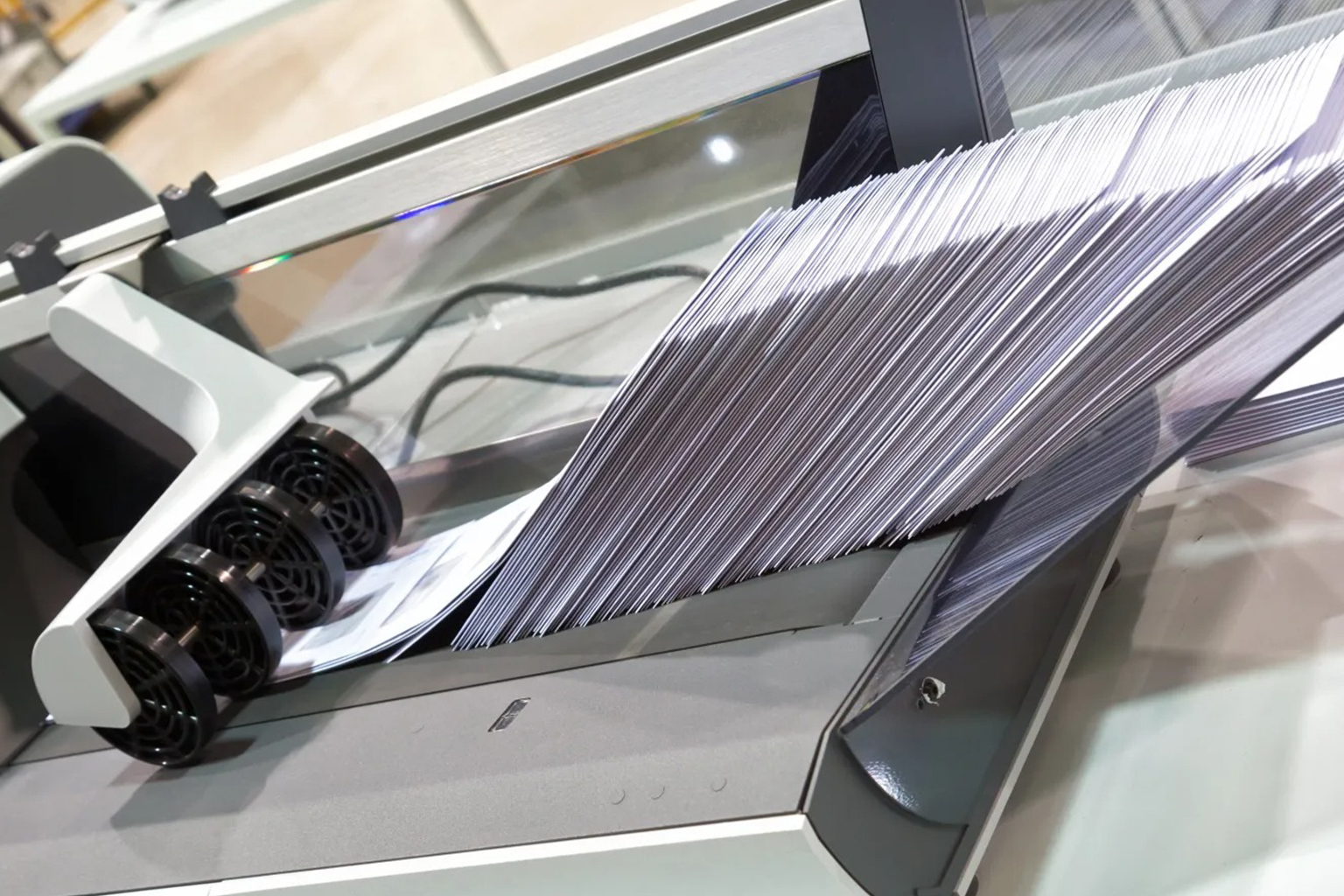
Automation has transformed the way large mailing projects are managed. Modern inserting equipment can fold documents, assemble multiple inserts, and prepare envelopes at impressive speeds. Depending on the machinery, document specifications, and complexity of the job, certain systems can process thousands of mail pieces per hour.
1. Faster Processing and Improved Productivity
One of the most significant advantages of automation is speed. High-speed envelope inserting enables organisations to process substantial mailing volumes in less time than traditional manual methods.
Faster processing is particularly valuable for businesses working towards fixed dispatch dates, seasonal promotions, product launches, or time-sensitive communications. By reducing the time required for repetitive tasks, automated systems allow teams to concentrate on planning, coordination, and other important responsibilities.
2. Greater Accuracy and Consistency
Mailing errors can result in additional costs, delayed communications, and a poor recipient experience. Professional inserting processes help reduce these risks through structured workflows, document matching, and appropriate quality checks.
When each envelope needs to contain several inserts, systematic handling becomes even more important. Checking document sequences, confirming quantities, and monitoring the inserting process can help ensure that mail pieces are prepared consistently.
3. Better Use of Resources
Preparing large mailings internally can place considerable demands on staff, workspace, and operational schedules. Outsourcing the process to a specialist provider may help organisations use their resources more efficiently.
Instead of dedicating employees to repetitive folding and packing tasks, businesses can focus on customer service, sales, marketing, and other activities that support their primary objectives.
Why Professional Mailing Support Matters in Ireland
Businesses across Ireland use printed communications to maintain customer relationships, promote services, share essential information, and support commercial activities. However, different campaigns have different requirements. Some involve straightforward letters, while others require multiple inserts, personalised documents, or carefully coordinated delivery schedules.
Choosing envelope Inserting in Ireland can help organisations manage these requirements through a combination of appropriate equipment, experienced personnel, and dependable project coordination.
A professional service should begin by understanding the mailing volume, document specifications, envelope format, required inserts, and intended dispatch date. This information helps determine the most suitable approach, whether that involves automated machinery, manual preparation, or a combination of both.
Clear communication throughout the project is equally important. Confirming requirements early, agreeing deadlines, and establishing quality checks can help prevent avoidable complications as the mailing progresses.
Flexible Solutions for Different Mailing Requirements
Not every mailing project follows the same format. A business may need to send a single-page letter to thousands of recipients, while another campaign might require a brochure, response card, and personalised covering letter in every envelope.
Flexible inserting services can accommodate a variety of requirements, including:
- Multiple inserts: Combining letters, brochures, leaflets, reply slips, and other printed materials.
- Personalised mailings: Preparing individualised communications according to recipient-specific requirements.
- Manual inserting: Handling unusual document sizes, delicate materials, or jobs that require additional attention.
- Special packing instructions: Following particular assembly sequences or presentation requirements.
- Campaign-specific preparation: Organising materials for promotional activities, events, corporate communications, and public information campaigns.
This flexibility allows organisations to select a suitable process for each project rather than relying on a single method for every mailing requirement.
Supporting Marketing and Customer Engagement
Direct mail remains useful for communicating with audiences in a physical and memorable format. Printed materials can introduce products, promote special offers, invite customers to events, or provide information that recipients may wish to keep for future reference.
Reliable envelope preparation contributes to the overall quality of these campaigns. A correctly assembled envelope presents a professional impression and helps ensure that recipients receive the intended information.
For organisations managing envelope stuffing in Ireland, careful coordination between printing, inserting, addressing, and dispatch can make the overall mailing process more efficient. When these stages are planned together, businesses can minimise unnecessary handling and maintain better control over campaign schedules.
The effectiveness of a mailing campaign ultimately depends on several factors, including the relevance of its content, the accuracy of its recipient data, the quality of its presentation, and the suitability of its distribution strategy.
How to Choose the Right Envelope Inserting Service
Selecting a suitable provider requires more than comparing processing speeds. Businesses should consider the complete service offering and its ability to meet the specific demands of their project.
Start by assessing the provider’s equipment and capacity. Ensure that the available machinery can accommodate the required envelope sizes, document formats, and number of inserts. For complex projects, ask about manual handling options and procedures for managing personalised materials.
It is also important to understand the quality-control process. Ask how documents are matched, how errors are identified, and how finished mailings are checked before dispatch.
Finally, discuss turnaround times, pricing, communication, and any additional services required. A clear quotation should reflect the scope of work, including preparation, inserting, handling, and other agreed requirements. These details help businesses make informed decisions and plan their budgets with greater confidence.
Make Every Mailing Count with Expert Support!
At Sooner Than Later, we make high-volume mailing simpler, faster, and more efficient. Our professional envelope inserting solutions combine advanced technology, flexible handling, and meticulous quality checks to help you meet tight deadlines. Whether you need multiple inserts or personalised mail preparation, we work with you to deliver accuracy, consistency, and dependable results.
Conclusion
High-volume mailing does not have to be complicated, slow, or unnecessarily resource-intensive. With the right combination of automation, skilled handling, flexible processes, and effective quality control, organisations can prepare substantial quantities of correspondence accurately and efficiently. Professional envelope Inserting in Ireland offers a practical way to manage demanding mailing schedules, accommodate varied document requirements, and maintain a consistent standard of presentation. By choosing a solution that matches their volume, budget, and operational needs, businesses can simplify mailing workflows, support successful communication campaigns, and ensure that important messages are prepared for distribution on time.
Related Posts