

Customised Clothing for Every Occasion: From Corporate Uniforms to Events and Promotional Campaigns

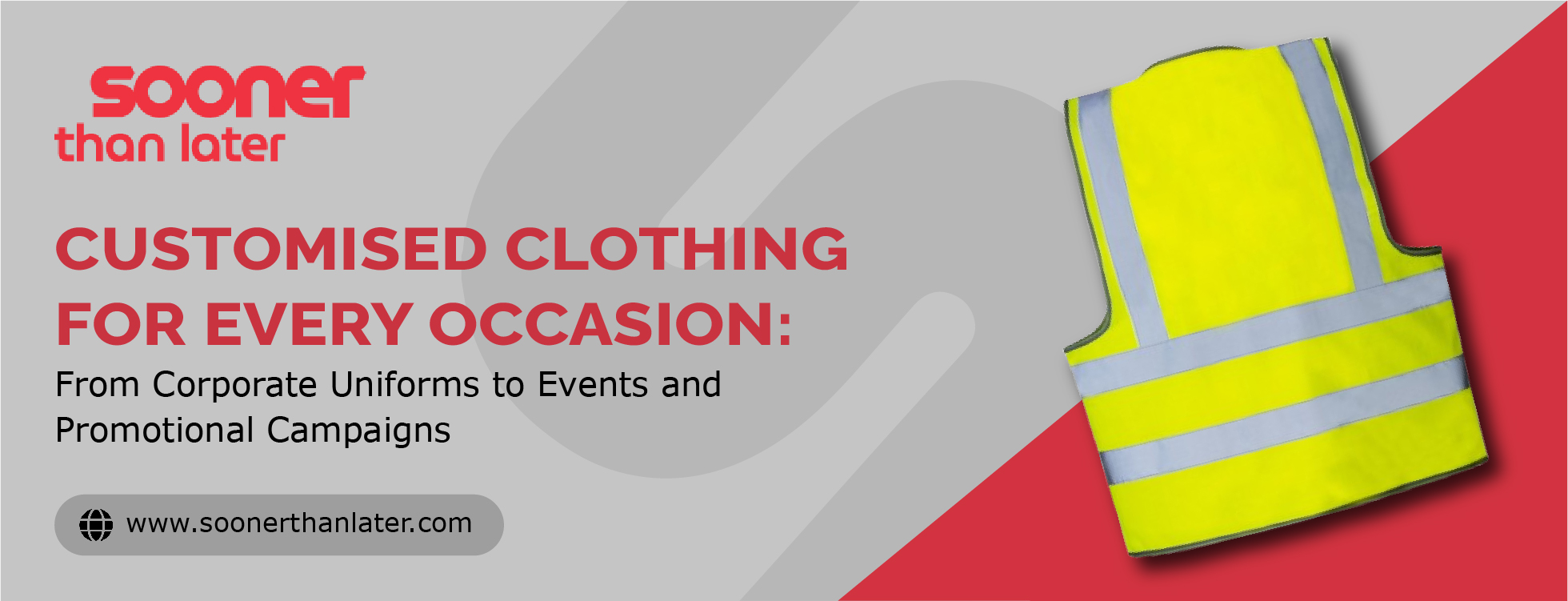
Clothing can do far more than provide comfort or create a professional appearance. For businesses, organisations, event planners and teams, it can become a practical way to communicate identity, encourage unity and increase brand visibility. Customised clothing allows organisations to create apparel that reflects their colours, values, messaging and overall identity. From smart corporate uniforms and event wear to campaign merchandise and promotional garments, carefully designed clothing can serve a wide range of purposes while creating a consistent visual presence.
What Makes Customised Clothing Valuable?
Branded apparel provides an opportunity to turn everyday clothing into a recognisable representation of an organisation. A well-designed garment can feature a company logo, distinctive colours, employee names, campaign messages or other visual elements that help people identify with a particular brand or group.
Unlike many forms of advertising that disappear after a short period, clothing can be worn repeatedly in different settings. Employees may wear branded garments during working hours, while event attendees can continue using them long after an event has ended. This creates additional opportunities for visibility and recognition.
The effectiveness of customised clothing depends on more than simply adding a logo to a garment. Fabric quality, colour selection, garment style, printing method, placement and overall design all influence the final result. Choosing these elements carefully helps ensure the clothing looks professional, remains comfortable and represents the intended identity.
Corporate Uniforms and Team Apparel
Corporate clothing is often used to create a consistent and professional appearance across a workforce. Depending on the industry, this may include polo shirts, shirts, jackets, sweatshirts, waistcoats, trousers or other practical garments.
Uniforms can help employees appear easily identifiable to customers and colleagues. They can also contribute to a sense of belonging among team members. When everyone wears clothing based on a consistent design, it can create a more cohesive workplace environment.
The choice of clothing should reflect the nature of the work. Office-based businesses may prefer smart and understated garments, while construction, hospitality, retail or outdoor teams may require durable and practical options. Comfort should also be considered, particularly when employees are expected to wear branded clothing for extended periods.
Clothing for Conferences, Exhibitions and Corporate Events
Events provide another opportunity to use branded apparel effectively. Staff members attending exhibitions, conferences and networking events can wear coordinated clothing that makes them easier for visitors to identify.
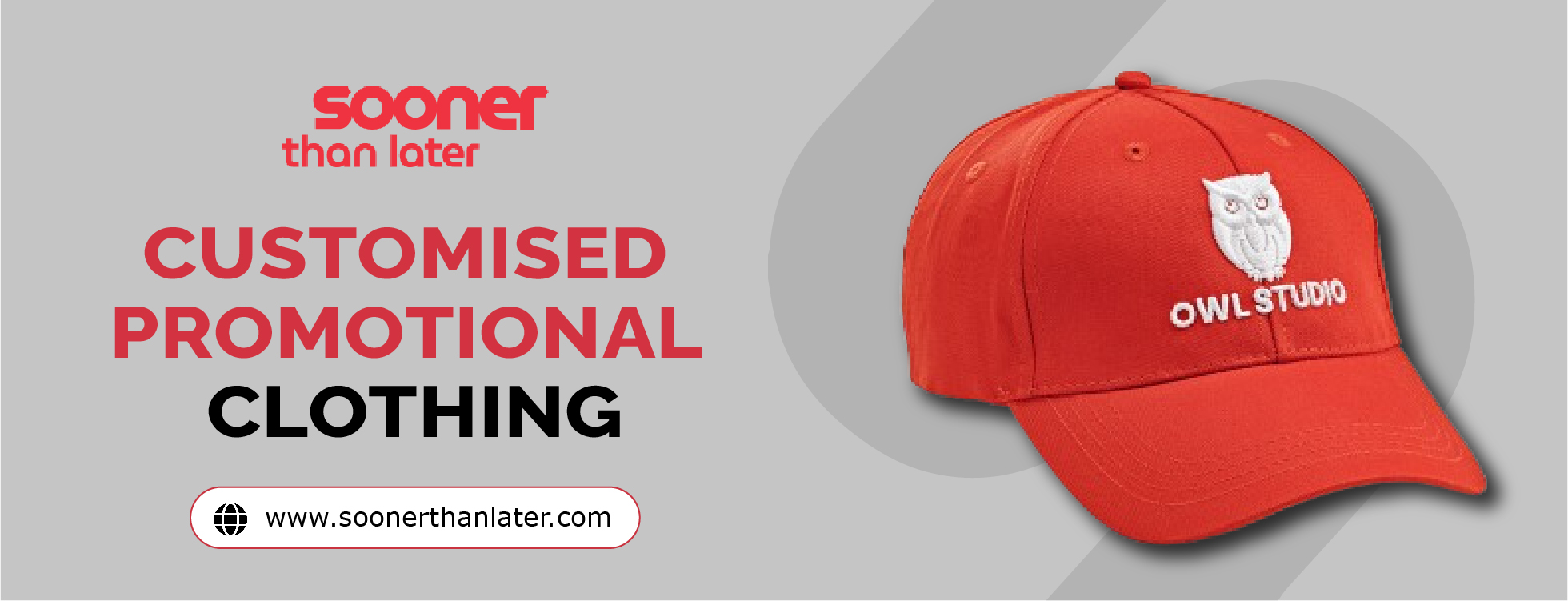
For larger events, Promotional clothing can also be provided to attendees, speakers, volunteers or partners. T-shirts, sweatshirts, caps and jackets can carry event branding, sponsor details or campaign messaging, helping establish a consistent visual theme throughout the venue.
Event clothing can also become a useful keepsake. When attendees choose to wear a garment after the event, the branding can continue reaching new audiences. However, designs should balance promotional messaging with visual appeal so that people are comfortable wearing the items in everyday situations.
Promotional Campaigns and Brand Awareness
Promotional campaigns often rely on repeated exposure to build recognition. Branded clothing can support this objective by placing a visual identity directly into everyday environments.
customised clothing can be created around a particular campaign, product launch, seasonal promotion or business initiative. The design might incorporate a short message, campaign slogan, logo or visual theme that complements other marketing materials.
For promotional campaigns, consistency is particularly important. Clothing should use the same colours, typography and visual elements found across websites, printed materials, signage and social media. This helps create a unified brand experience rather than making the apparel appear disconnected from the wider campaign.
Sports Teams, Clubs and Community Groups
Custom apparel is not limited to commercial organisations. Sports teams, educational groups, clubs, charities and community organisations can all use branded garments to create a shared identity.
Team members may wear matching shirts, jackets or hoodies during competitions and training sessions. Clubs can create clothing for members, volunteers or supporters, while community groups can use apparel to increase recognition during public activities.
In these settings, design often plays an important role in creating a sense of belonging. Team colours, names, numbers, badges and other identifying elements can turn ordinary garments into symbols of participation and group identity.
Choosing the Right Garments and Materials
Selecting suitable garments is one of the most important stages of creating branded apparel. The right choice depends on the purpose, expected frequency of use, environment and target audience.
For example, lightweight cotton garments may be appropriate for summer events, whereas fleece jackets or heavier outerwear may be better suited to colder conditions. Sports and activewear may require breathable or flexible materials, while corporate environments may call for more formal fabrics and cuts.
Durability should also be considered. Clothing that is intended for frequent use needs to withstand regular washing and wear without losing its shape, colour or printed details. Investing in suitable materials can therefore improve both appearance and long-term value.
Printing and Embroidery Options
Different customisation techniques produce different visual effects. Screen printing is widely used for designs that require strong, consistent colours, particularly on larger quantities of garments. Digital printing can be useful for detailed artwork, gradients and more complex graphics.
Embroidery creates a textured, professional finish and is often suitable for logos on polo shirts, jackets, caps and other garments. Heat transfers and other application methods can provide additional options depending on the garment and design.
The choice of technique should take into account the artwork, fabric, quantity, intended use and desired appearance. A professional approach to production can help ensure that the finished design remains clear and durable.
Creating Effective Customised Promotional Clothing
The success of customised promotional clothing depends on making thoughtful decisions from the beginning. A design should be recognisable without becoming visually overwhelming. Logos and messages should be positioned where they can be seen easily, while colours should provide sufficient contrast against the garment.
It is also useful to consider the people who will actually wear the clothing. Offering practical styles, appropriate sizes and comfortable materials can make recipients more likely to use the garments regularly.
Quantity planning is another important consideration. Ordering too few items can create difficulties at events or during campaigns, while ordering excessive quantities can lead to unnecessary costs and unused stock. Forecasting requirements based on staff numbers, expected attendance and campaign duration can help establish a sensible order size.
Sustainability and Responsible Choices
Sustainability is becoming an increasingly important consideration when producing branded clothing. Organisations can explore garments made from recycled or responsibly sourced materials and consider the durability of each product before placing an order.
Long-lasting clothing can reduce the need for frequent replacement and help minimise waste. Timeless designs may also encourage people to continue wearing garments beyond a particular campaign or event.
Packaging and distribution should be considered as part of the wider process. Efficient packing, consolidated deliveries and responsible sourcing can contribute to a more thoughtful approach to branded apparel.
Making Clothing Part of a Wider Brand Strategy
Clothing works most effectively when it complements other communication channels. A consistent visual identity across apparel, websites, signage, printed materials, digital campaigns and social media can make a brand easier to recognise.
Businesses should therefore consider how each garment fits within their broader identity. The objective is not simply to produce clothing with a logo, but to create apparel that communicates the right message to the intended audience.
Whether used for employees, event attendees, sports teams or promotional campaigns, branded garments can provide a practical combination of identity, visibility and functionality. With careful planning, customised clothing can become a useful long-term asset rather than a short-term promotional item.
Bring Your Brand to Life with Branded Apparel
Sooner Than Later makes branded apparel simple, professional and effective. We support you from design and printing through to efficient distribution, helping create clothing that reflects your brand identity. With flexible customisation options, quality printing techniques and a commitment to timely delivery, our team helps you create standout apparel for events, teams, uniforms and promotional campaigns.
Conclusion
From professional uniforms and conference apparel to community initiatives and promotional campaigns, clothing can support many different communication and branding objectives. The right garment, design, material and customisation technique can create apparel that is practical, attractive and closely aligned with an organisation’s identity. By approaching customised clothing as part of a wider branding strategy, organisations can create a consistent and memorable presence while giving employees, customers and communities something useful to wear.


